Photo (above) by Lyndsey Brollini, courtesy of Sealaska Heritage Institute.
Kindergarten Lesson: Respect Self & Others
Be sure to teach Lessons 1 and 2, Lingít Music and Tribal Values, before teaching these Kindergarten lessons focused on Respect Self and Others:
Donʼt you all be in a hurry (Have Patience) Listen well and respect what people say to you Self-respect and respect for everyone
MATERIALS:
|
Patience
(Donʼt be in a hurry) |
Listen well & respect what people say to you
|
Self-respect and respect for everyone
|
Music Resources
|
|
|
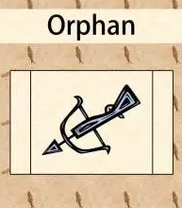
Koohaantí O
The Orphan |
|
Yéil Ḵa G̱anook Heení (Raven and Petrelʼs Water)
- This story introduces students to the four core values of the Haa Ḵusteeyí Chorus: Haa Aaní (Our Land), Haa Latseení (Our Strength), Haa Shuká (Our Ancestors, Our Future), Wooch Yax̱ (Balance, Harmony).
- Active Listening & Engagement Strategy: As students listen to the retelling of the story, ask students to echo the four core values and enact the gestures when they hear them sprinkled throughout by Jinkasee.ee.
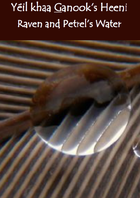
Told by Frank Dick, Sr. in Lingít in 1983. Transcribed and Translated by Fred White, November 2012. Adapted for the classroom and published by Goldbelt Heritage Foundation.
|
Retold by Jinkasee.ee (Rose Willard) with the inclusion of the four core tribal values.
|
Haa Ḵusteeyí Chorus sung with gestures by Jinkasee.ee (Rose Willard).
|
Week 2: Why We Tell Stories - Retelling of Yéil Ḵa G̱anook Heení (K-5)
|
Why Do We Tell Stories?
Voices on the Land Project at Floyd Dryden sponsored by Sealaska Heritage Institute |
Stories like Yéil Ḵa G̱anook Heení (Raven and Petrelʼs Water) teach important lessons and traditions, which is why they were retold many times.
|
Tlél sh yáa yeeydawóodliḵ (Donʼt All Be in a Hurry)
ADDITIONAL RESOURCES:
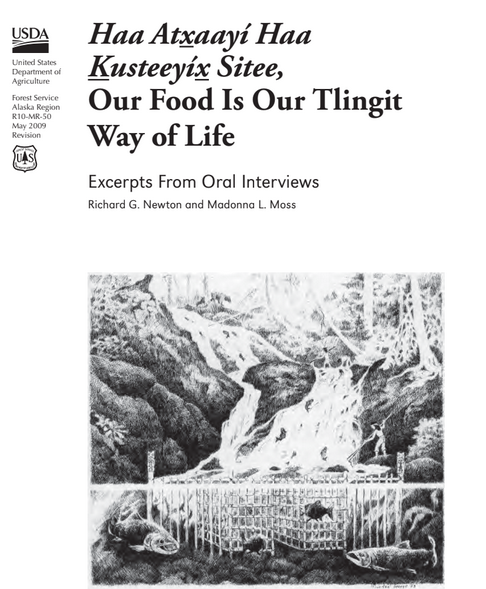
- Elderʼs Voice: David Katzeek on Tlingit education: This entire video is worth watching, but at the 30 minute mark you will hear Kingeistí reference the pillars of Tlingít education.
- Goldbelt Heritage Foundation (2018). Oral narratives. http://www.goldbeltheritage.org/elementary-resources/oral-narratives
- Keithahn, E. L. (1945). Monuments in cedar - Oral Narratives - Ch.VIII. How raven created earth and light. Reprinted with permission online through Alaskool. http://www.goldbeltheritage.org/elementary-resources/oral-narratives
- Keithahn, E. L. (1945). Monuments in cedar - Oral Narratives - Ch.VIII. The story of Thunderbird. Reprinted with permission online through Alaskool. http://www.goldbeltheritage.org/elementary-resources/oral-narratives
- Sealaska Heritage (2016). Tlingít Language Curriculum - Primary Grades including audio files for all printed materials. https://www.sealaskaheritage.org/institute/education/resources/tlingitlanguage

Elementary Lesson Plans
Goldbelt Heritage Foundation |
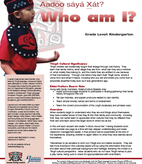
Sealaska Who am I? Kindergarten Unit
& audio |
Sealaska Who am I?
Additional Teacher Resources |
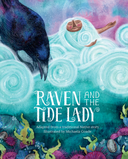
Sealaska Baby Raven Reads
Early Literacy Series |
